


🧴✨Cute fruit-shaped dishwashing sponge brush
🧴✨Cute fruit-shaped dishwashing sponge brush
💧 Expands With Water
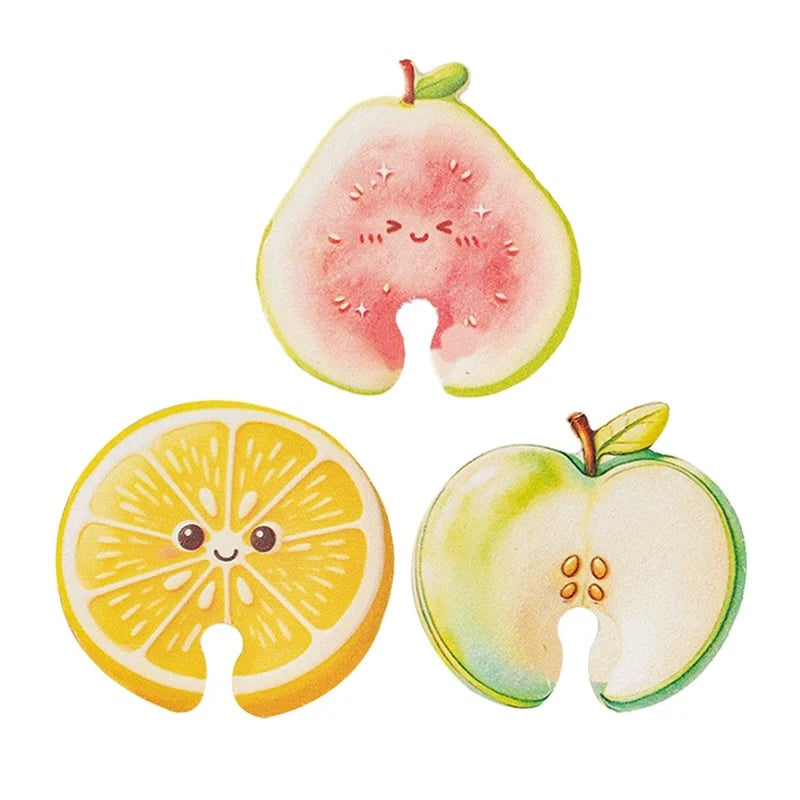
🍋 Playful Fruit Shapes
🧽 Everyday Kitchen Cleaning
✋ Easy Handheld Grip
🔄 Rinse And Reuse


Couldn't load pickup availability

🧴✨Cute fruit-shaped dishwashing sponge brush



Just Add Water
Watch a Flat Fruit Come to Life
Drop the compressed sponge into water and watch it expand into a soft, full-size cleaning sponge. What starts as a slim fruit shape quickly becomes ready for dishes, counters, sinks, and everyday kitchen cleanup.
Once expanded, wet it, add your usual dish soap if needed, and squeeze gently to create foam before cleaning.

Make Cleanup Lighter
A Little More Fun Beside the Sink
Apple, guava, and lemon-inspired shapes turn an ordinary kitchen essential into something you actually enjoy leaving out by the sink.
The playful designs bring a little personality to daily dishwashing and cleanup, whether you are wiping down the counter after breakfast or tackling dishes after dinner.

Made for Daily Use
One Small Sponge, Plenty of Everyday Uses
The cellulose sponge is made for repeat kitchen use rather than a one-time cleanup. Use it across everyday washing and wiping tasks, then rinse, squeeze out excess water, and hang it to dry between uses.
Its compact fruit shape also makes it easy to keep within reach, while proper drying helps maintain the sponge for longer everyday use.
★★★ Loved by 10,000+ Customers ★★★
FAQ
What is this sponge made from?
What is this sponge made from?
It is made from wood pulp cellulose sponge material. It arrives compressed and expands after absorbing water.
How do I expand the sponge before first use?
How do I expand the sponge before first use?
Place the compressed sponge in water and allow it to absorb moisture until it reaches its normal expanded shape.
Can I use it on cookware?
Can I use it on cookware?
It can be used on many common kitchen surfaces and cookware. Because finishes vary, test the sponge on a small inconspicuous area before using it on delicate, polished, or coated surfaces.
How should I care for the sponge after use?
How should I care for the sponge after use?
Rinse it thoroughly, squeeze out excess water, and allow it to dry in a ventilated area. Avoid leaving it continuously soaked in water.
Can I put it in boiling water?
Can I put it in boiling water?
No. Avoid boiling water and high-temperature heat sources because excessive heat may damage or deform the material.